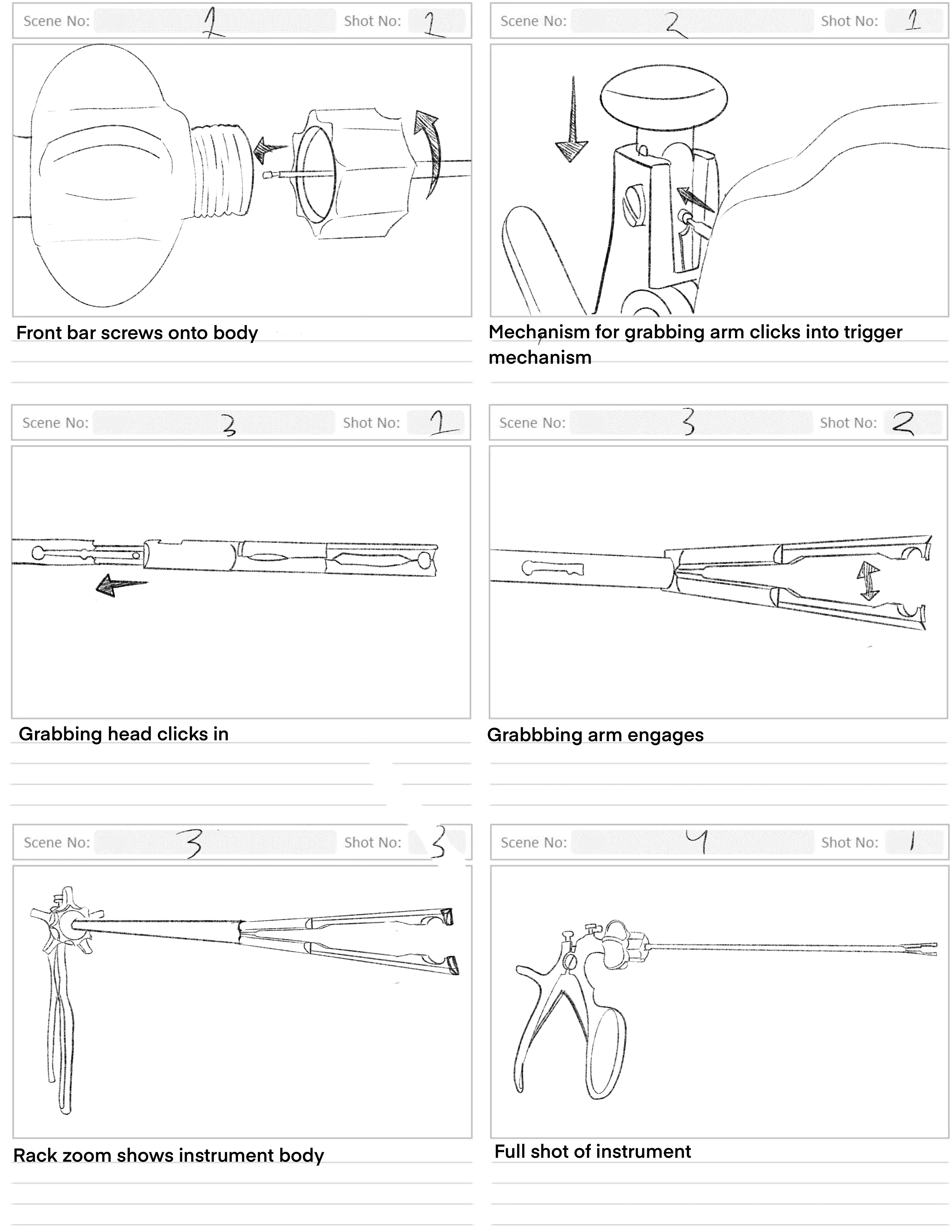
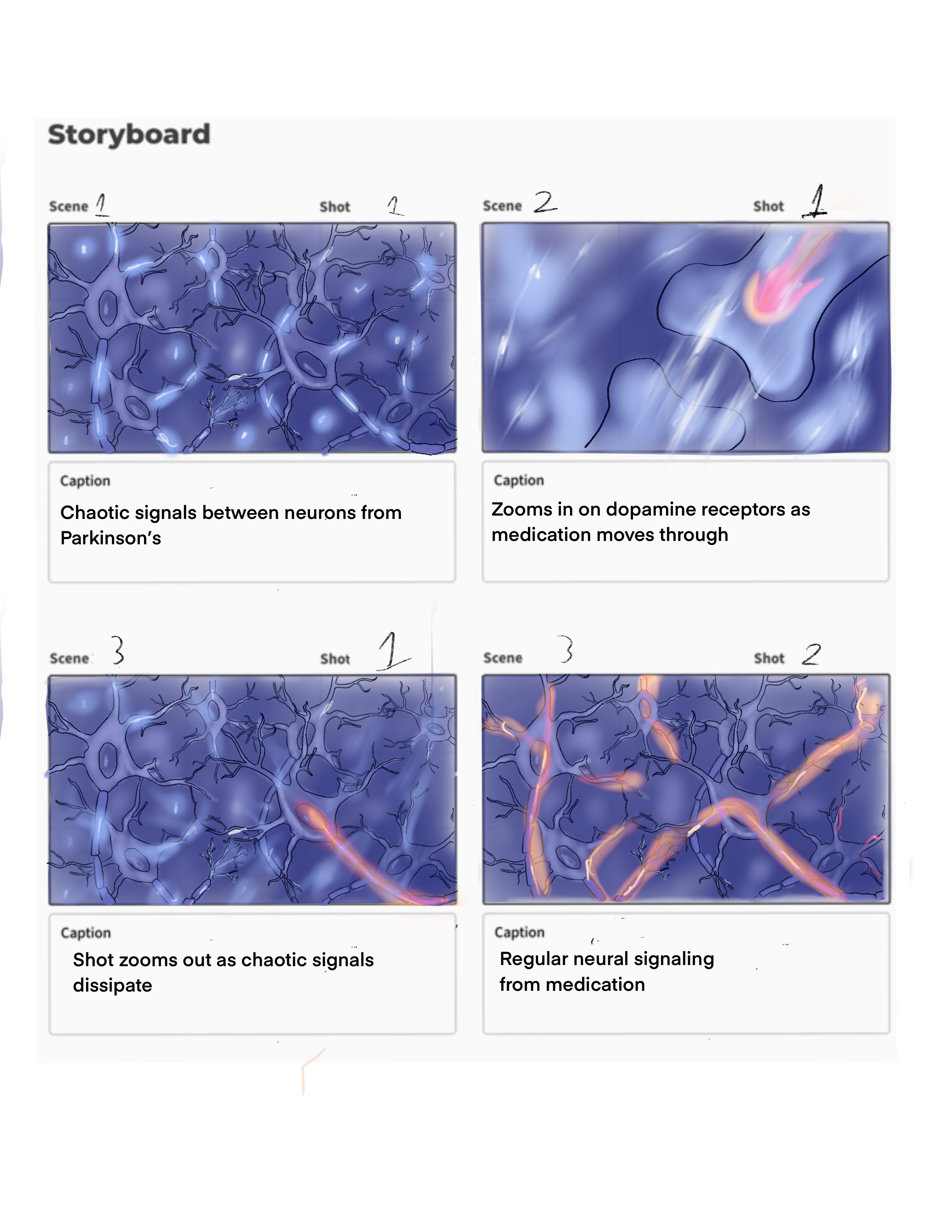
Story Boarding
Cuts, camera movement, scene composition, and story telling elements are worked out and reviewed in order to be best transitioned into a 3D space.
Case Study 1: Hem-o-lok Surgical Tool Design
Modeling
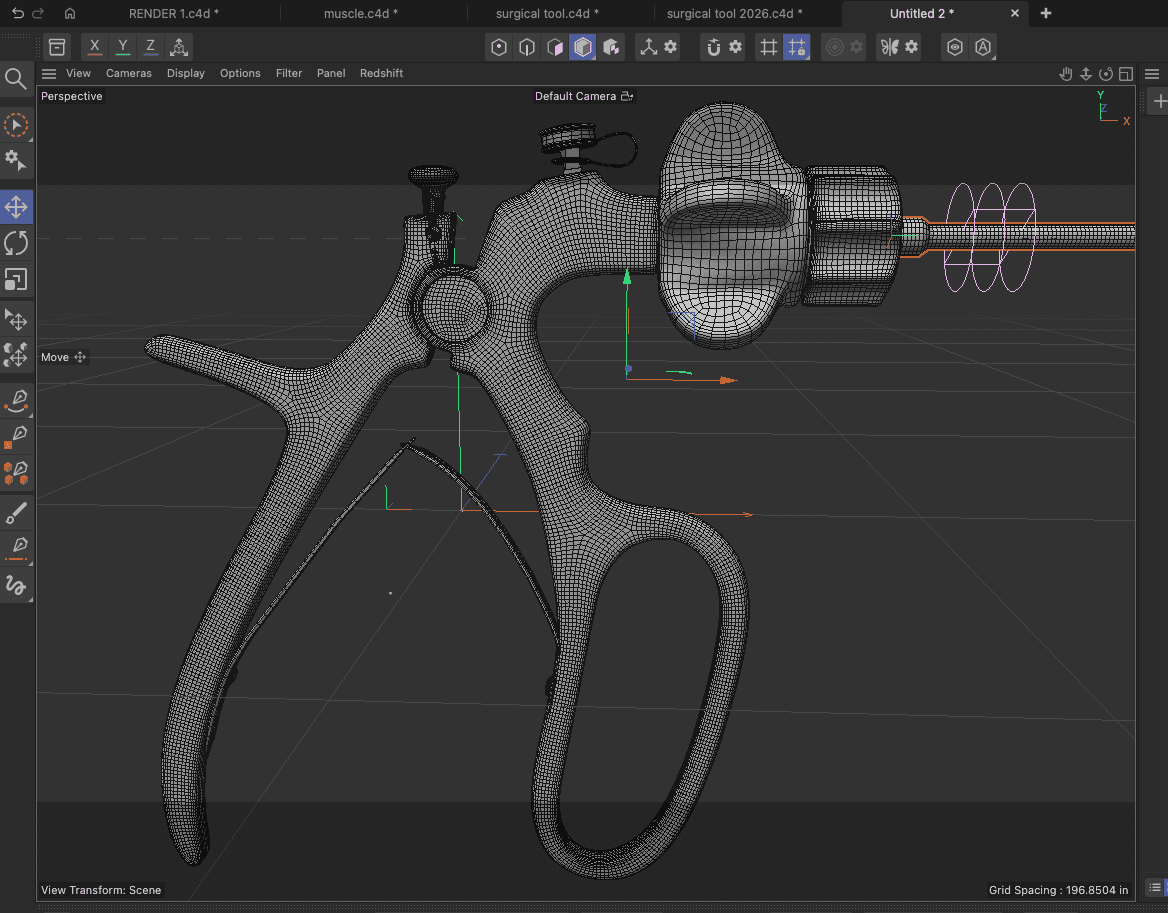
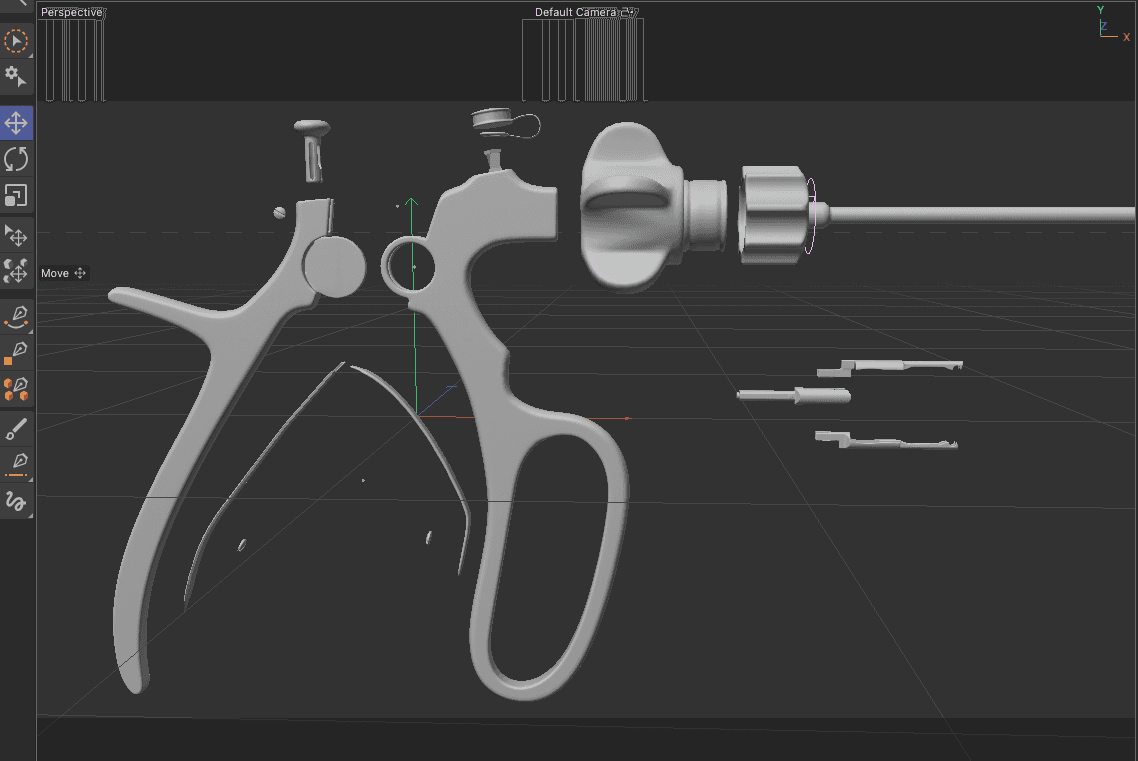
Each individual element of the surgical tool was modeled separately in Cinema 4D and then grouped into nulls for streamlined animation and editing.
Texturing and lighting
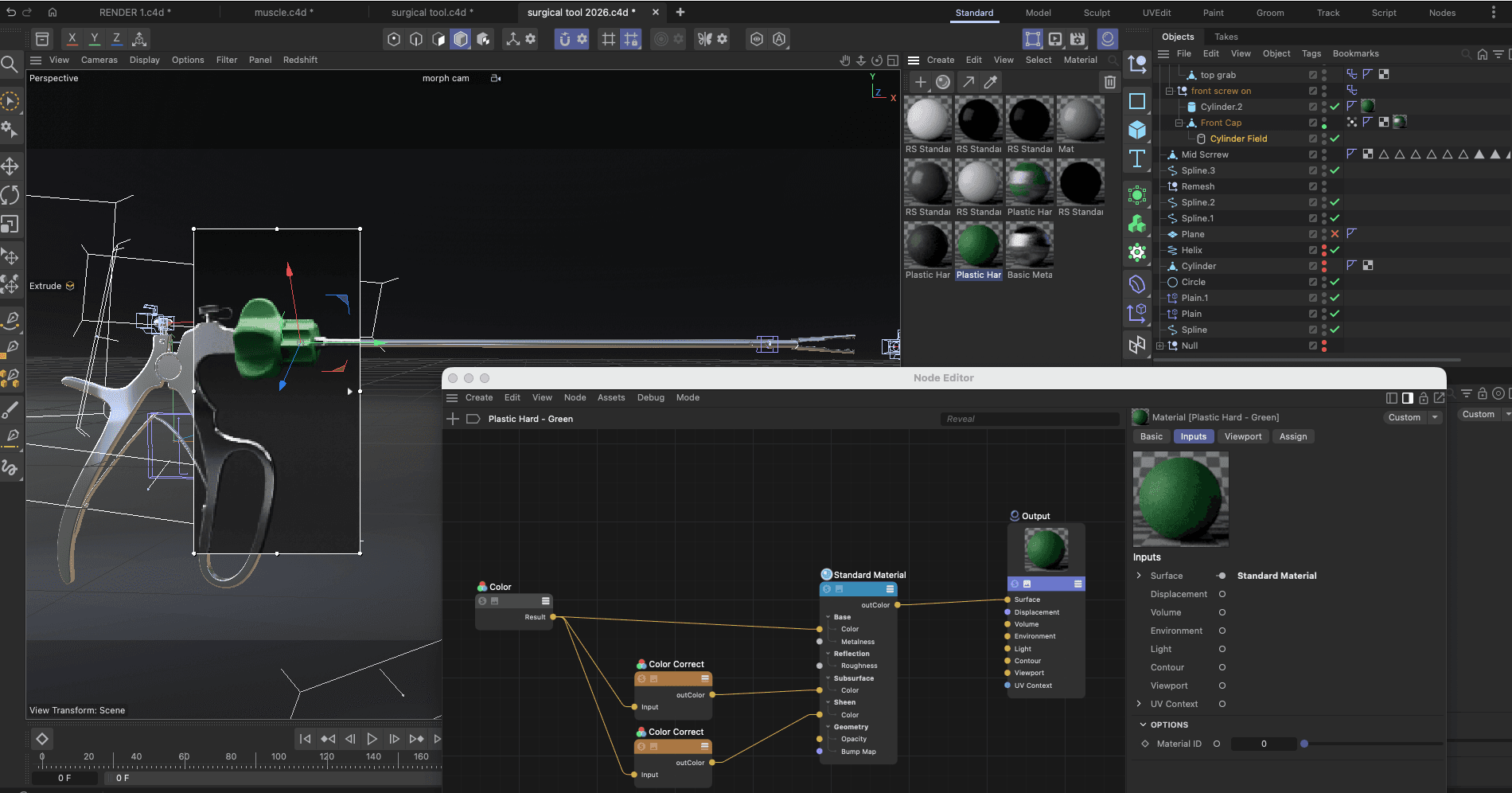
Textures were made in red Redshift using the node editor. Emphasis was placed on replicating the real world properties of metal and plastic.
An HDRI with supplemental area lights was used to mimic studio lighting.
Cameras with varied F-Stops and focal lengths were used to create a cinematic feel and accurate depth of field.
Story Boarding
Cuts, camera movement, scene composition, and story telling elements are worked out and reviewed in order to be best transitioned into a 3D space.
Modeling
Each individual element of the surgical tool was modeled separately in Cinema 4D and then grouped into nulls for streamlined animation and editing.
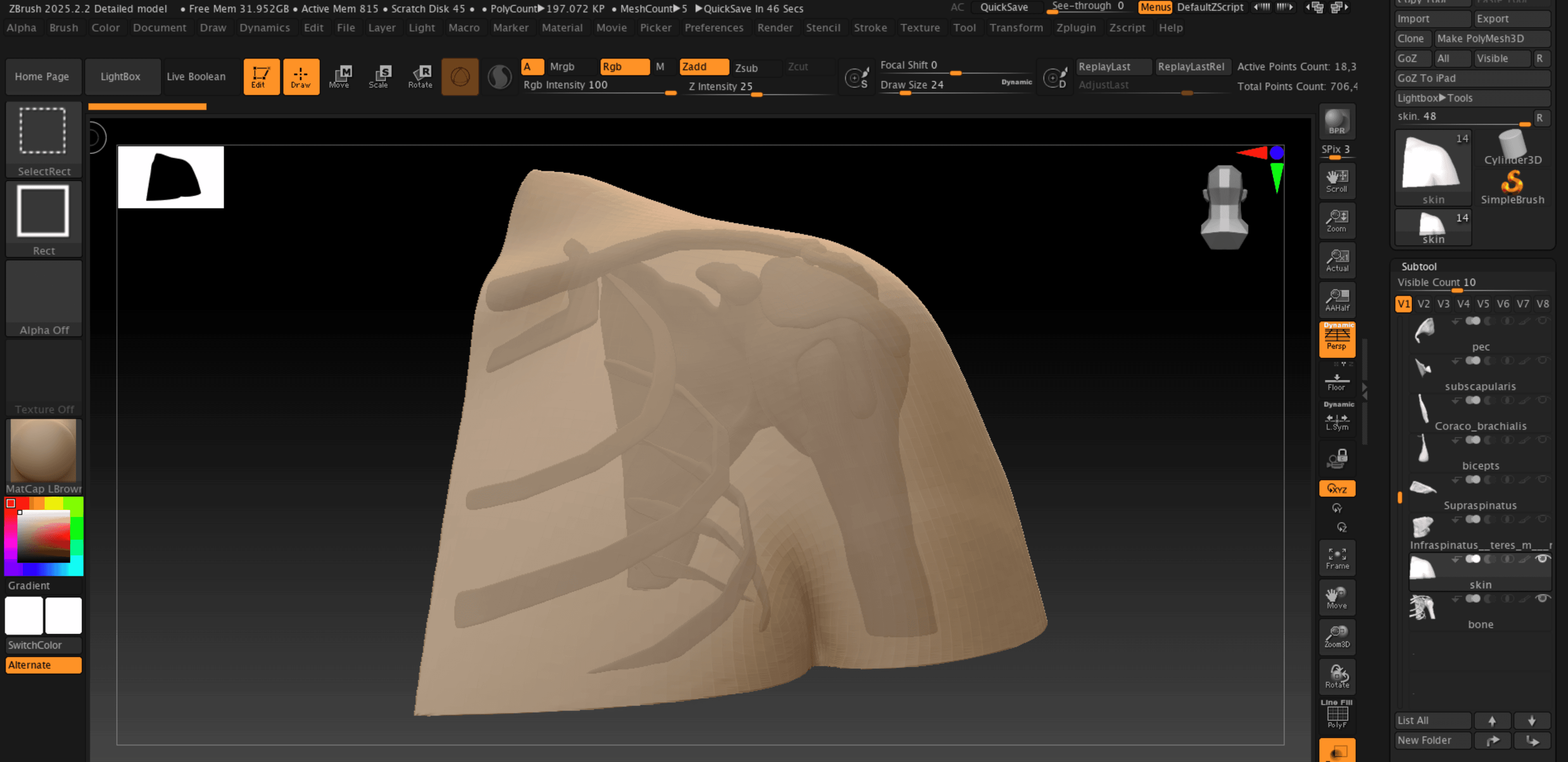
Modeling of Bones
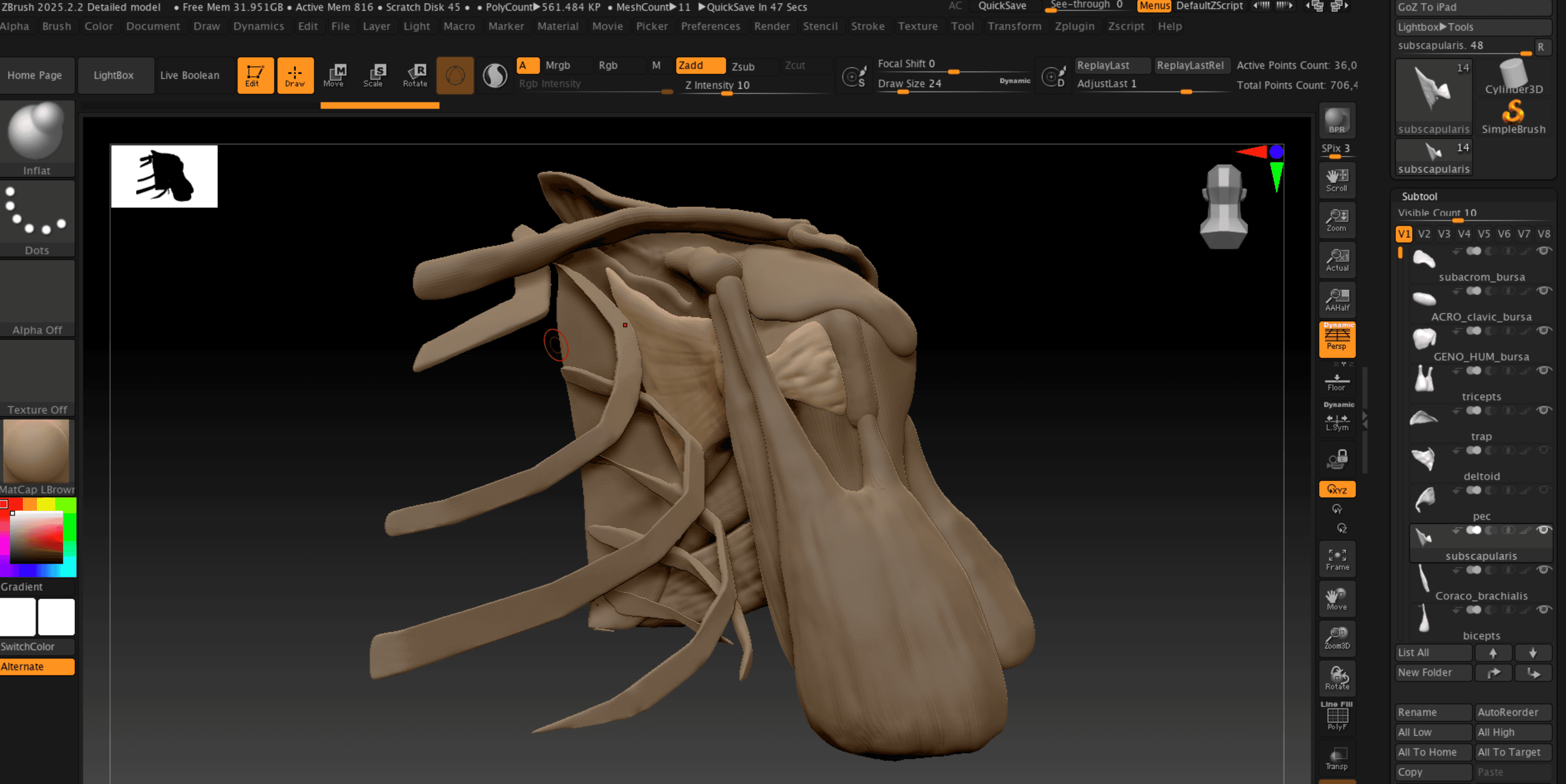
Using a 3D scan of a shoudler as a base, the head of the humerus, clavicle, scapula, and ribs were sculpted using Z-Brush
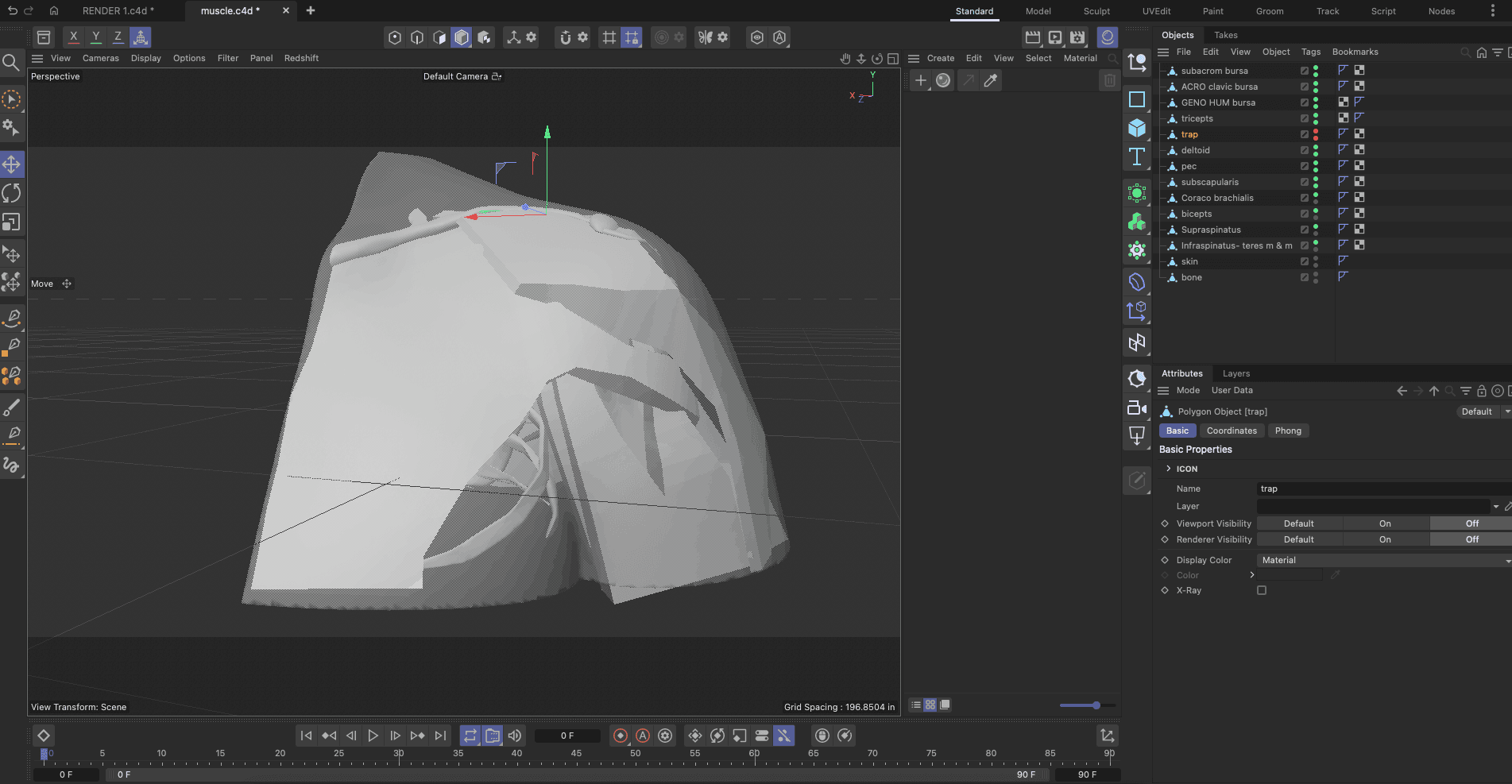
Base Muscle Geometry
Using the bones and skin for placement, the rough shapes of the muscles surrounding the shoulder joint were sculpted in Cinema 4D to be imported into Z-Brush.
Case Study 2: Bursa of the Shoulder for Injection trainer
Case Study 2: Shoulder Injection trainer promo
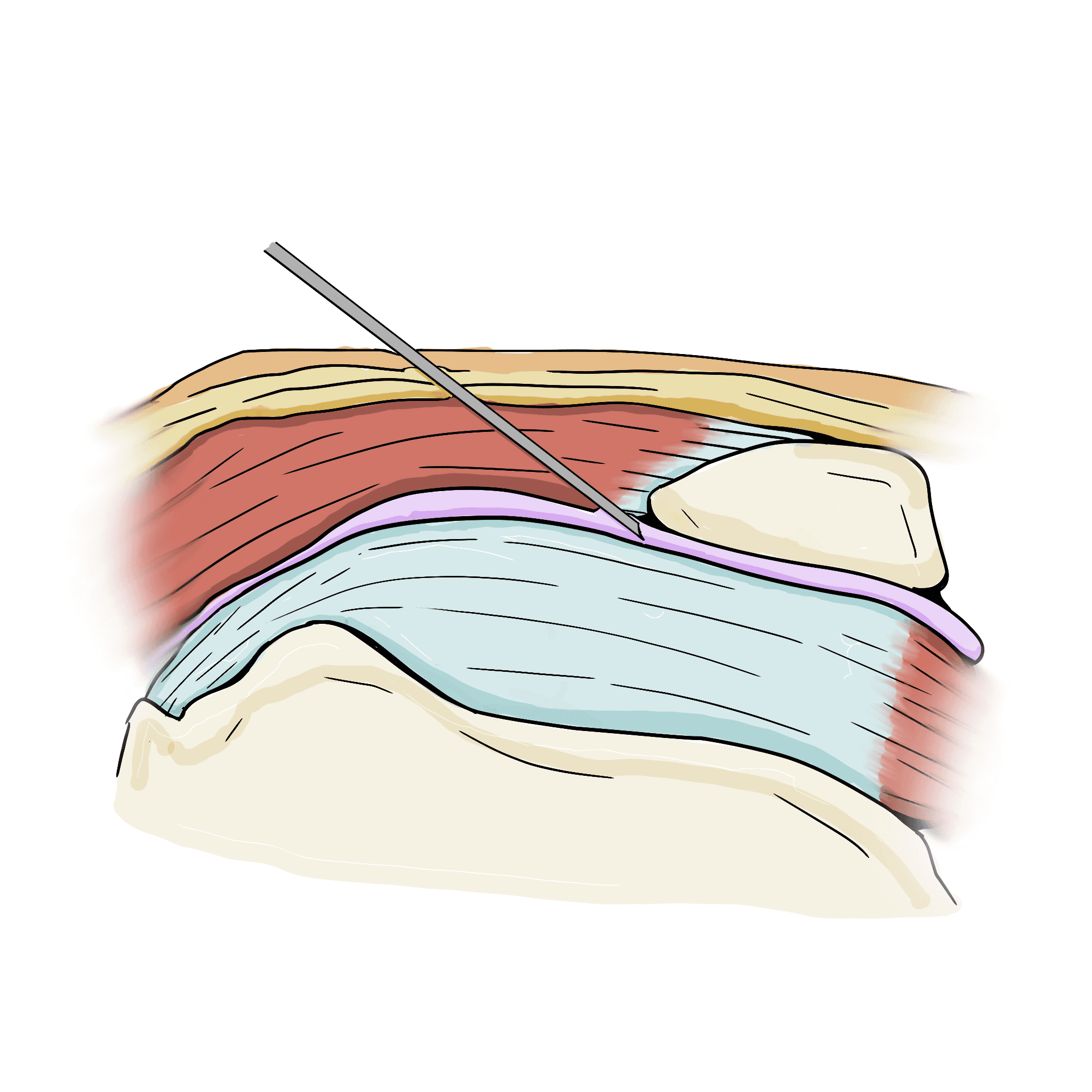
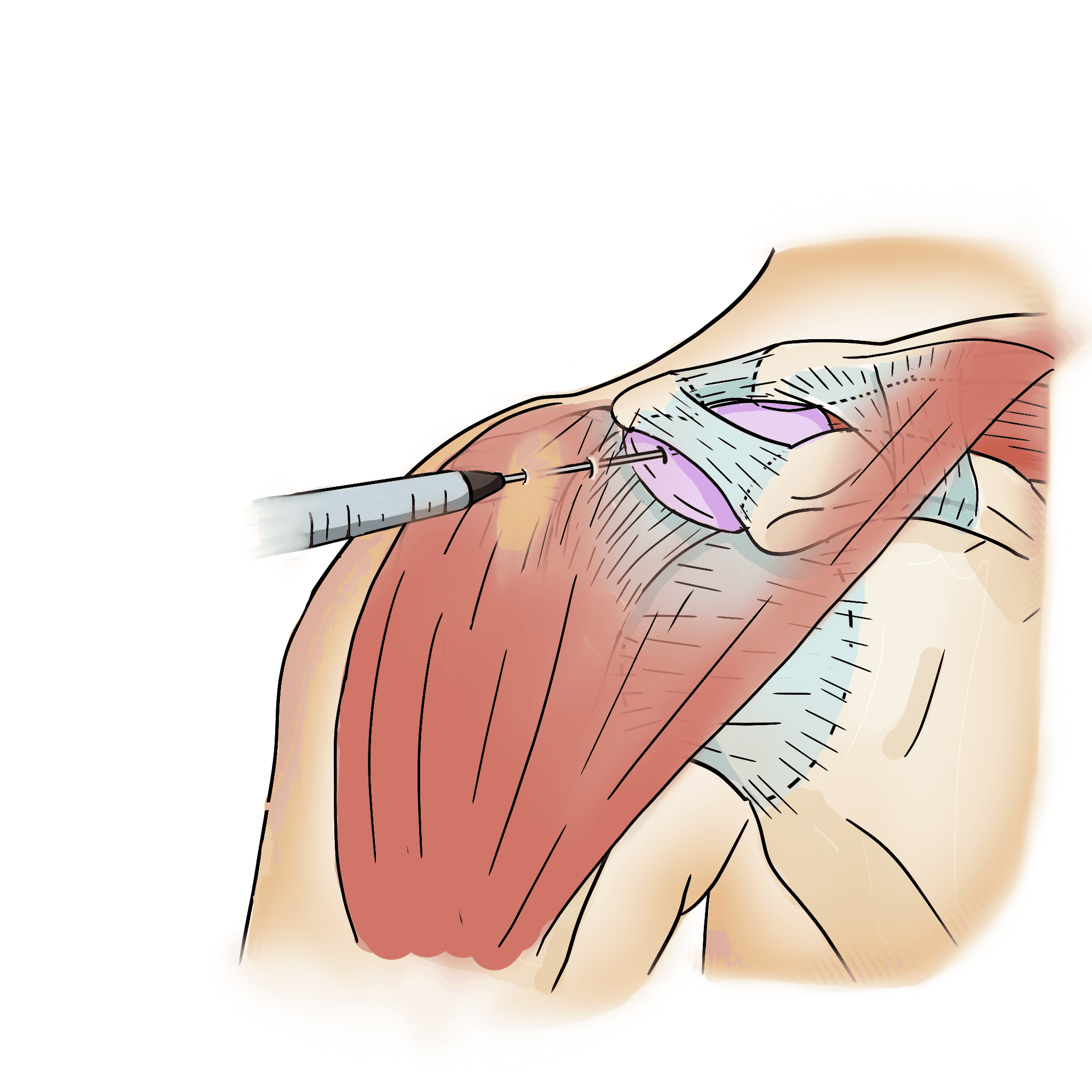
Concept Art
Illustrations were done to visualize the shoulder joint and its bursa and how injections interact with this anatomy.
Final Muscle Sculpt
Using Z-Brush, detailed models of muscle and tendon where sculpted.
Final Muscle Sculpt
Using Z-Brush, detailed models of muscle, tendon, and bursa where sculpted.
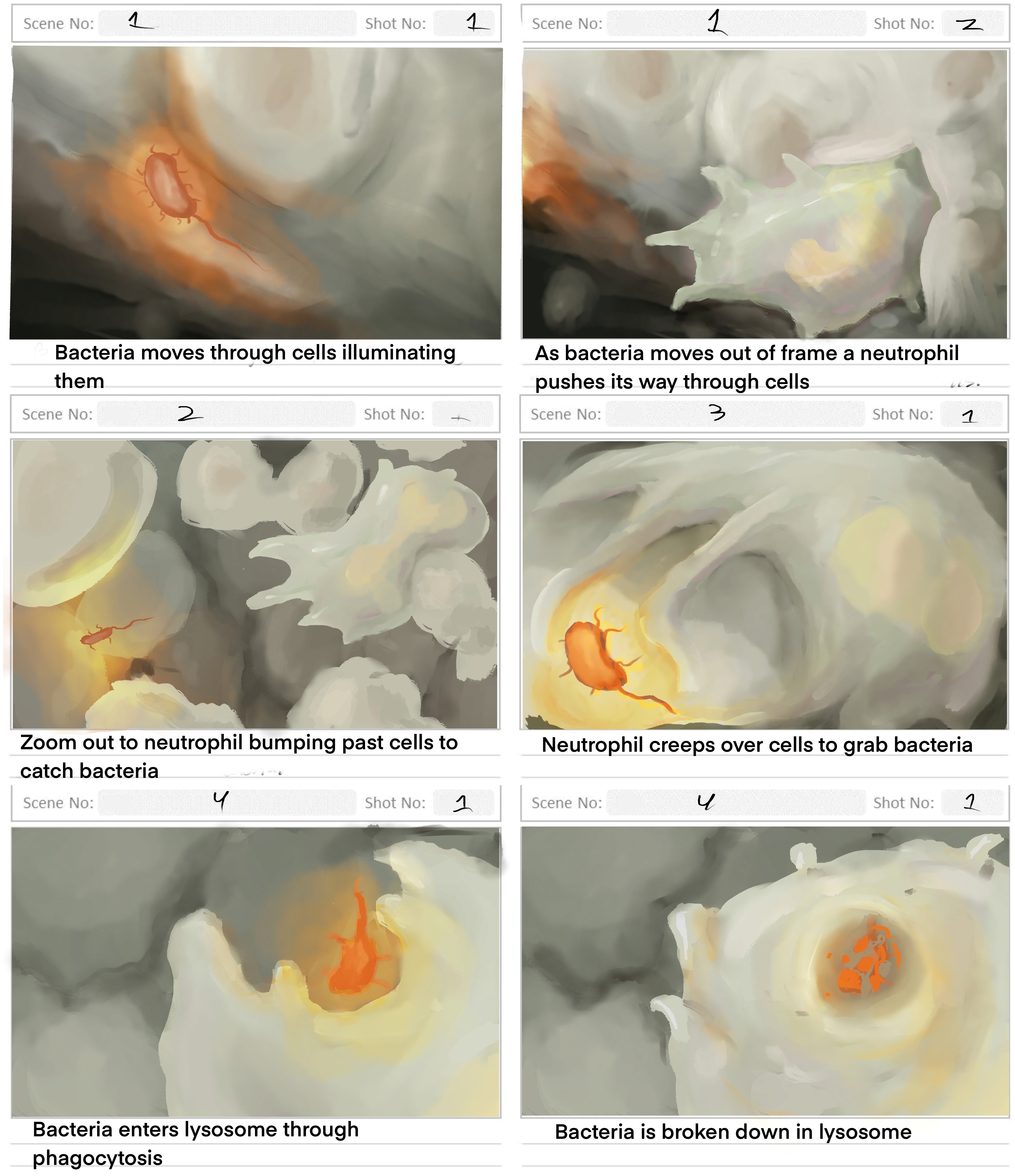
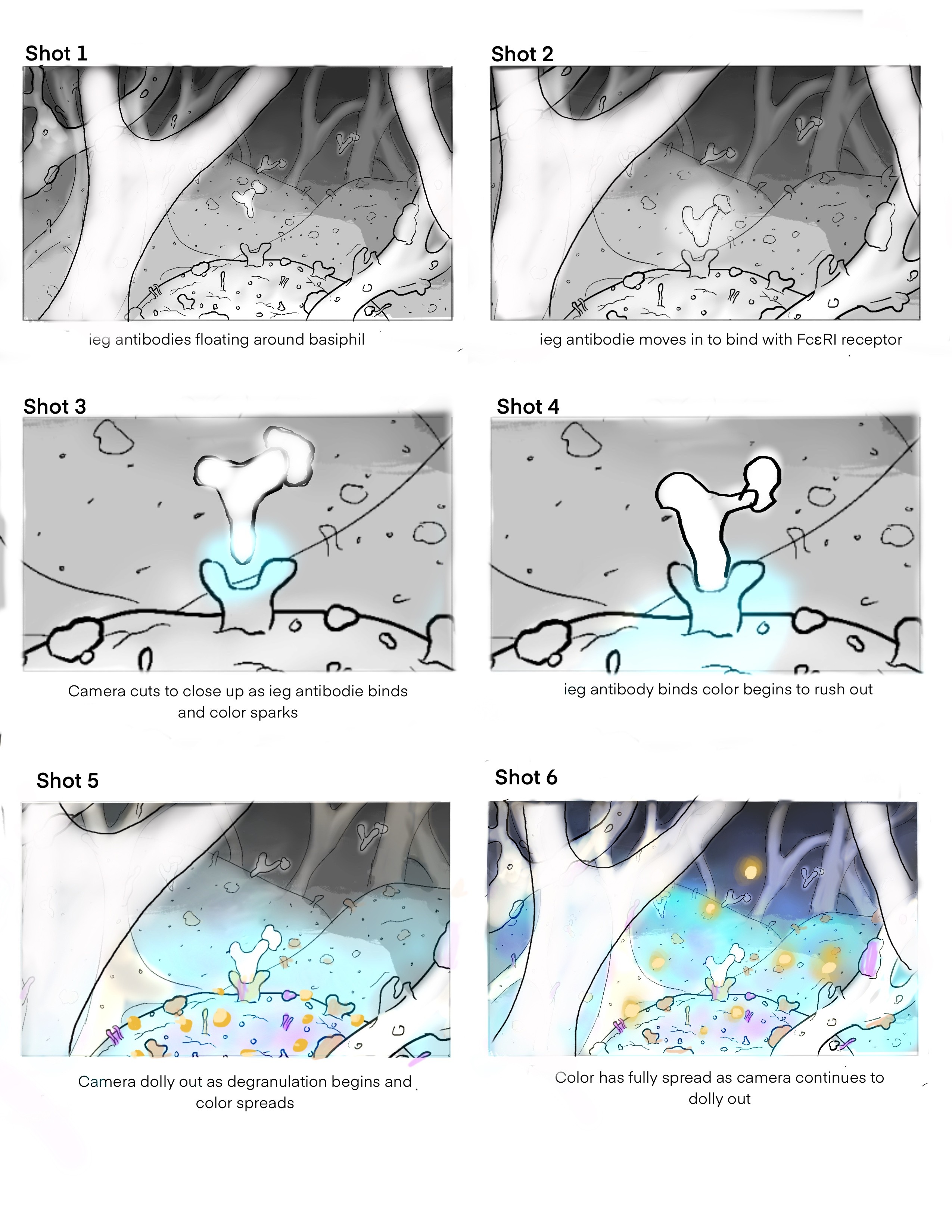
Case Study 3: Storyboards from Various Works
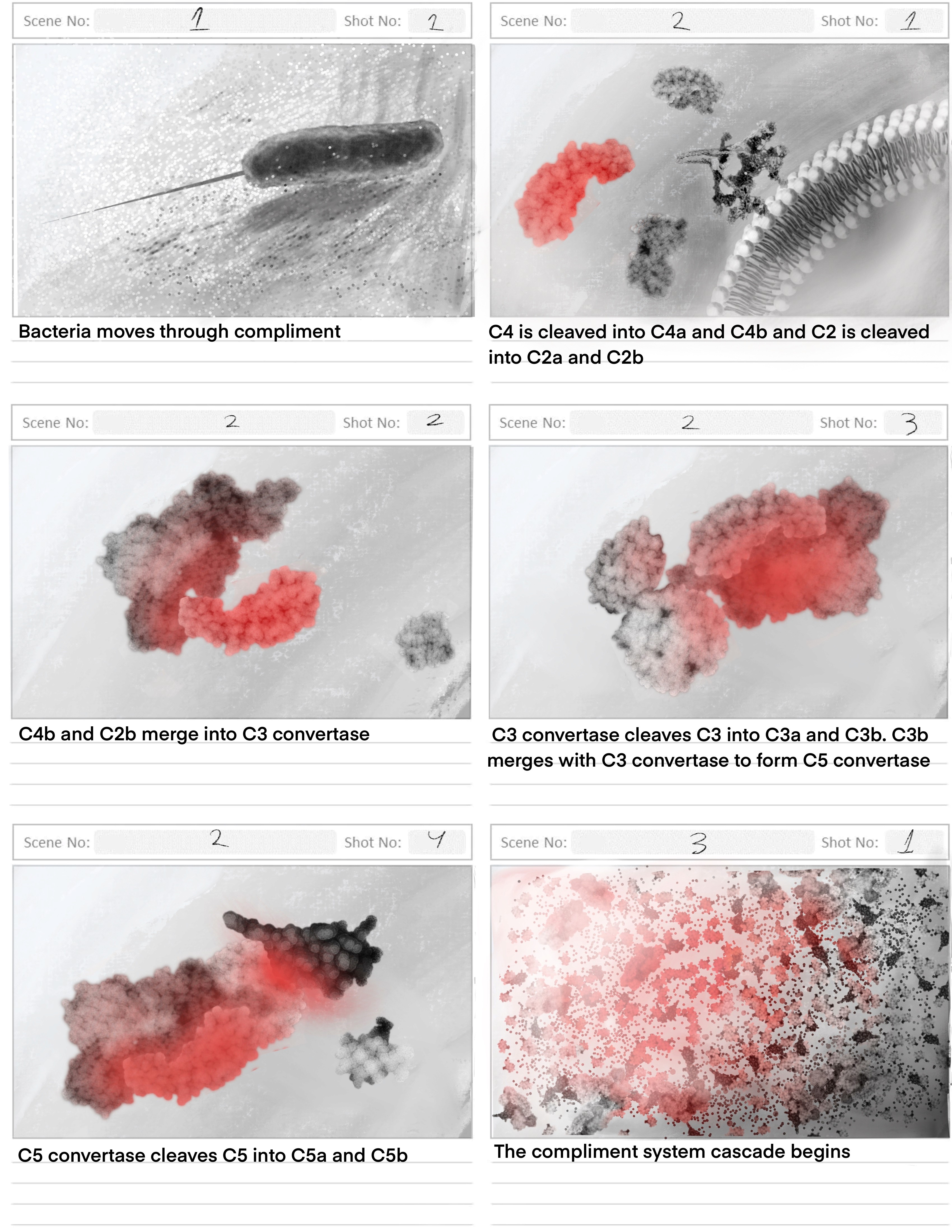
Compliment System Cascade MOA
Parkinson Disease MOA and MOD
Parkinson Disease MOA and MOD
Case Study 3: Storyboards from Various Works
Texturing and lighting
Textures were made in red Redshift using the node editor. Emphasis was placed on replicating the real world properties of metal and plastic.
An HDRI with supplemental area lights was used to mimic studio lighting.
Cameras with varied F-Stops and focal lengths were used to create a cinematic feel and accurate depth of field.